
Representation Before the Charging Decision
Grand Jury And Indictment representation in Albuquerque for people who have received a target notice or learned of an investigation
LeBlanc Law represents people facing grand jury proceedings and indictment in Albuquerque, in both state and federal matters. You need this help when you learn that a grand jury is reviewing a case involving you, when you receive a target notice, or when an indictment has already been returned. The period before the grand jury votes is one of the few points where the defense can raise issues before formal felony charges are filed.
Grand jury proceedings allow only limited participation by the person under investigation, but pre-indictment motions, witness challenges, and procedural objections can test the prosecution's presentation. The firm evaluates whether challenging the indictment is viable, prepares arguments addressing probable cause, and negotiates with prosecutors on the scope of charges before the grand jury votes. Each step depends on local rules, prosecutor tendencies, and how judges handle pre-indictment motions.
Schedule a confidential consultation to review the notice or information you have received.
The Difference Between State and Federal Grand Juries
State and federal grand juries in New Mexico follow different procedures, and you need to know which one is involved. In state practice, a person who is the target of a grand jury investigation is generally notified and can ask that the grand jury be told about evidence that cuts against the charge, while federal proceedings offer fewer of those opportunities. The firm reviews the notice, the deadlines it sets, and whether testifying, submitting evidence, or remaining silent best protects your position.
Before the vote, you know what the prosecution appears to be presenting, what defense material has been submitted, and what has been discussed with the prosecutor about the charges. If an indictment is returned, you receive a review of each count and the procedural issues that may support a later motion. LeBlanc Law, with 18 years in the New Mexico criminal system, explains those options in plain terms.
Some felony cases bypass the grand jury and proceed through a preliminary hearing instead, which changes the defense approach entirely. Whether you testify before a grand jury is a decision made only after a full review of the risks.
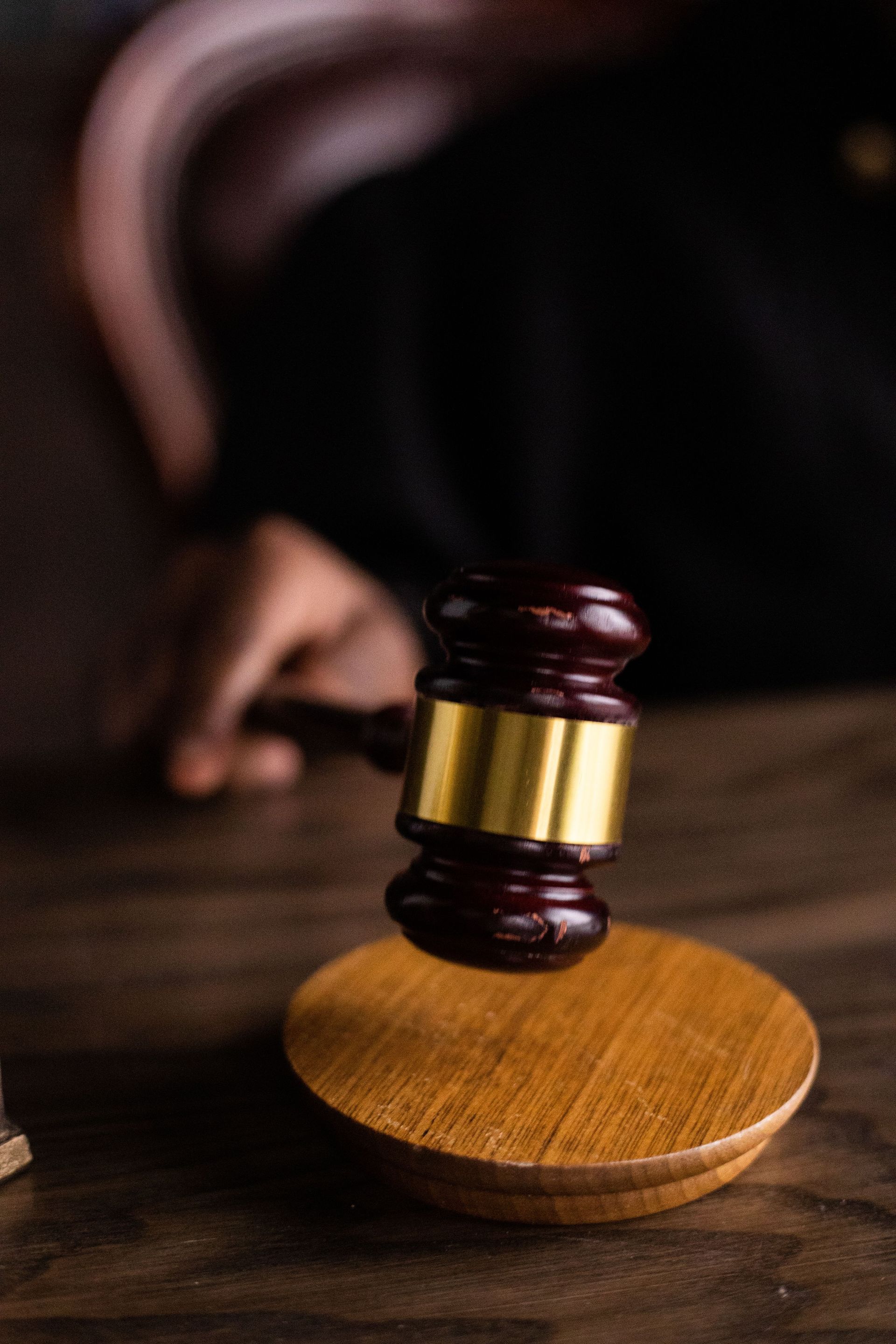
These questions address what happens before and after a grand jury considers a case.
What should you do after receiving a target notice?
Bring the notice and any related documents to counsel right away, since it sets deadlines for requesting that the grand jury consider defense evidence.
How does the defense participate in a grand jury proceeding?
Participation is limited, but counsel can submit evidence, raise procedural objections, and advise you inside or outside the room depending on whether the case is state or federal.
When does testifying before a grand jury make sense?
The decision depends on the evidence, your exposure, and whether your statement could be used later, and it is made only after careful review.
How do local grand jury practices in Albuquerque shape the approach?
Procedures differ between the state district court and the federal court, so the strategy is matched to the court and the prosecutor involved.
Why review an indictment closely after it is returned?
Errors in how evidence was presented or how the grand jury was instructed can support a motion challenging the indictment.
Answers About Grand Jury Proceedings
LeBlanc Law also handles grand jury and indictment matters in Agua Fria, Algodones, Belen, Bernalillo and Bosque Farms. Arrange a private meeting with LeBlanc Law before any grand jury deadline passes.