
Defense Built on a Complete Factual Record
Criminal Investigations in Albuquerque for people whose case depends on witnesses and records police may not have collected
Criminal cases in Albuquerque often turn on events spread across apartment complexes, commercial strips, and residential blocks, where potential witnesses move, surveillance footage gets overwritten, and records sit with employers or hospitals. LeBlanc Law handles criminal investigations as part of a proactive defense, gathering facts available only to the defense before the prosecution's version becomes the accepted account. You need this work when the police report leaves out people who were present, timelines that do not line up, or records that tell a different story.
Investigation begins at intake and continues until the case is resolved. The work includes locating and interviewing witnesses, reviewing police reports for contradictions or gaps, photographing scenes, collecting medical or employment records, and identifying expert witnesses where a technical issue is involved. Those findings support negotiation with the prosecutor or become evidence at trial that challenges prosecution witnesses.
Set up a consultation to go over the police report and the people or places connected to your case.
Why Early Gaps Form and How to Close Them
Police investigations usually focus on building probable cause, which means witnesses who saw something different, or records that place you elsewhere, may never be contacted or requested. You close those gaps by moving early: footage from nearby businesses can be lost, phone numbers change, and memories shift. In areas like the South Valley, where homes, businesses, and side streets sit close together, a scene visit and photographs often reveal sight lines or lighting conditions that a written report does not capture.
As the investigation progresses, you have a growing file of interview summaries, photographs, records, and expert input that can be compared directly against the prosecution's evidence. Contradictions in reports are documented with page references, and witness statements are recorded while they are fresh. LeBlanc Law, with 18 years investigating criminal matters in New Mexico, uses that file to decide what to raise in negotiations and what to hold for trial.
Some investigative steps need court involvement, such as subpoenas for records held by third parties or requests to inspect physical evidence. Whether an expert is needed depends on the charge, from forensic testing to medical questions about injuries.
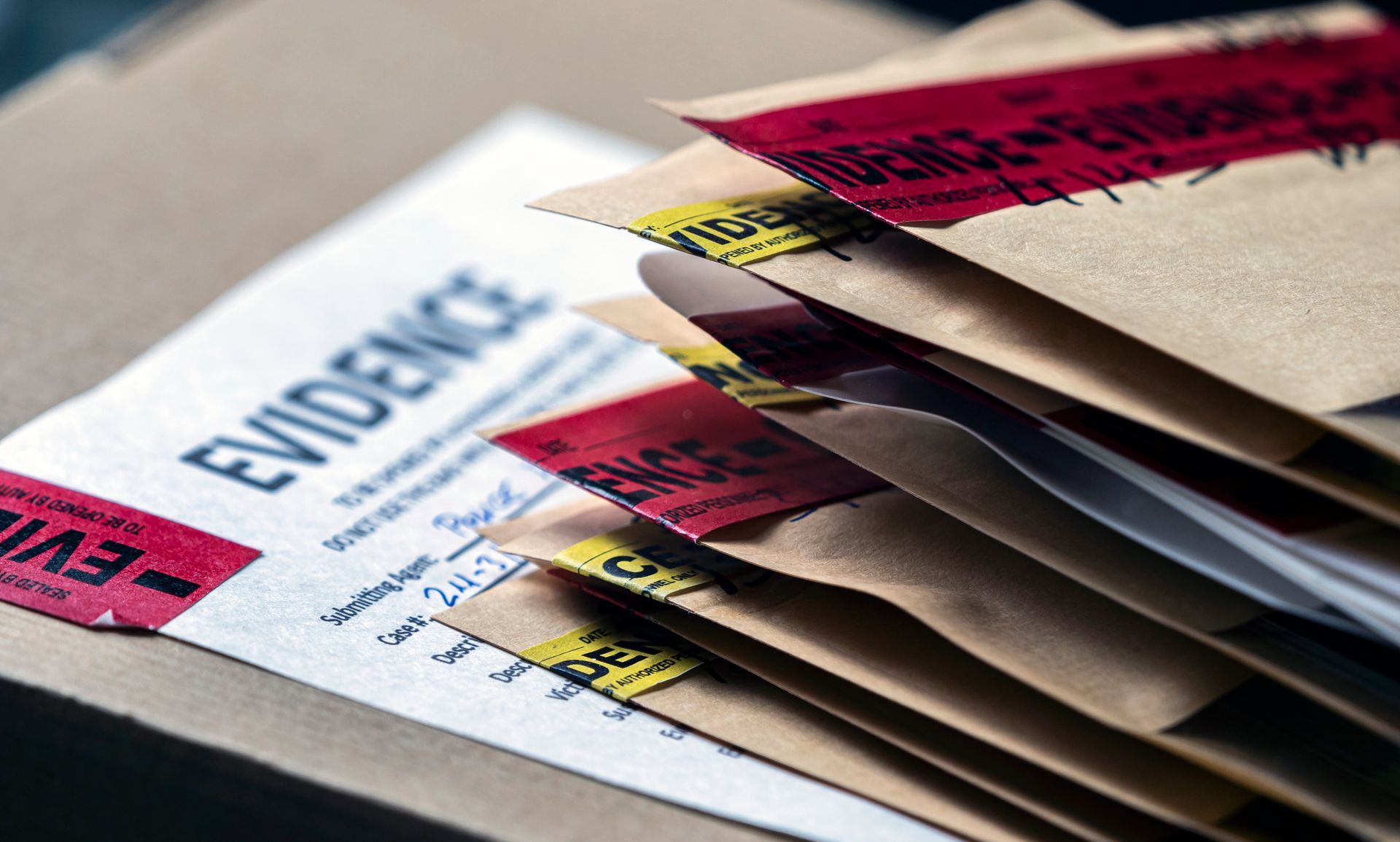
These questions explain what happens during the investigation and what you can contribute.
What information should you share at intake?
List everyone who was present or nearby, any businesses with cameras, and any texts, receipts, or location data from that day.
How are witnesses located and interviewed?
Witnesses are identified through reports, your account, and canvassing near the scene, and interviews are documented so statements can be compared with later testimony.
When does a scene visit make a difference?
A visit matters when distance, lighting, or obstructions affect what a witness could have seen, and photographs preserve those conditions.
How do records requests work for a criminal case in Albuquerque?
Medical, employment, and business records are requested directly or by subpoena, depending on who holds them and what privacy rules apply.
Why should you avoid contacting witnesses yourself?
Direct contact can create accusations of interference, so interviews are handled through the defense team.
Questions About How Defense Investigation Works
LeBlanc Law also conducts criminal investigations in Agua Fria, Algodones, Belen, Bernalillo and Bosque Farms. Talk with LeBlanc Law about what the police report leaves out and where the investigation should start.